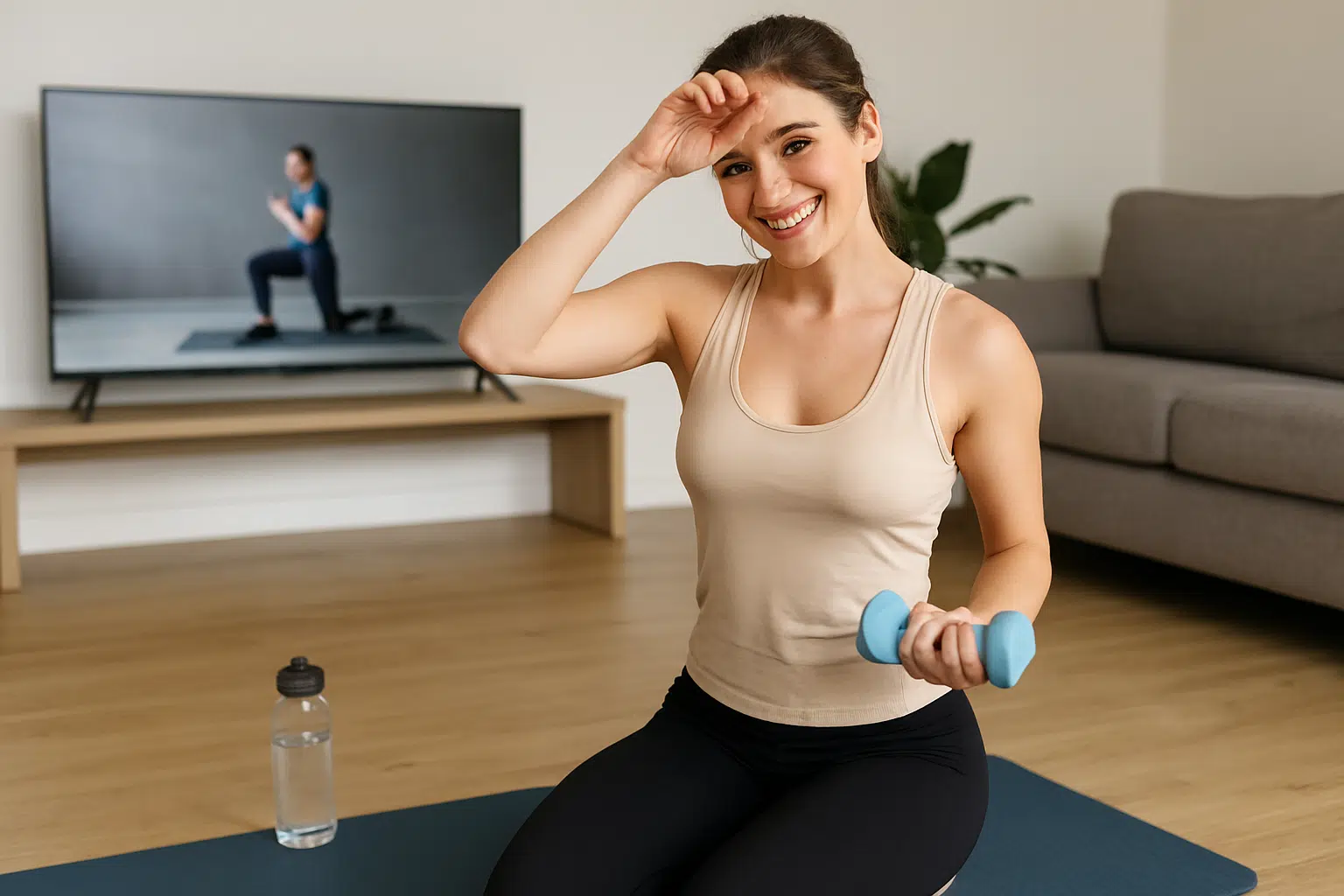
Start your fitness journey from the comfort of home — no gym required
Starting a fitness journey can feel overwhelming, especially if you’re new to exercise or don’t feel comfortable going to a gym. The good news is that you don’t need fancy equipment, expensive memberships, or hours of free time to get fit. At-home workouts are one of the best ways for beginners to build strength, improve flexibility, and boost overall health—right from the comfort of home.
This complete guide will walk you through everything you need to know about the best at-home workouts for beginners, including benefits, essential exercises, sample routines, and tips to stay consistent.
Why At-Home Workouts Are Perfect for Beginners
At-home workouts are ideal for beginners because they are simple, flexible, and easy to stick with. You can exercise at your own pace without feeling pressured or judged.
Some key benefits include:
- Convenience: No travel time or gym fees
- Comfort: Work out in a familiar, private environment
- Flexibility: Exercise anytime that fits your schedule
- Low cost: Most workouts require little to no equipment
For beginners, consistency matters more than intensity. At-home workouts make it easier to stay consistent, which leads to long-term results.
What Beginners Should Focus On Before Starting
Before jumping into exercises, beginners should focus on a few basics to stay safe and motivated.
1. Warm-Up Is Essential
Warming up prepares your muscles and reduces the risk of injury. A 5–10 minute warm-up can include marching in place, arm circles, or light stretching.
2. Start Slow
You don’t need to push your limits on day one. Begin with short workouts and fewer repetitions, then gradually increase as your strength improves.
3. Listen to Your Body
Mild soreness is normal, but sharp pain is not. Rest when needed and allow your body time to recover.
Best At-Home Exercises for Beginners
These exercises are simple, effective, and suitable for people just starting out.
1. Bodyweight Squats
Squats strengthen your legs, hips, and glutes.
How to do it:
Stand with feet shoulder-width apart, lower your body as if sitting on a chair, then return to standing.
Benefits: Improves lower-body strength and mobility.
2. Push-Ups (Modified or Wall Push-Ups)
Push-ups work your chest, shoulders, arms, and core.
Beginner option:
Start with wall push-ups or knee push-ups to reduce strain.
Benefits: Builds upper-body strength.
3. Lunges
Lunges help improve balance and leg strength.
How to do it:
Step one foot forward, lower your body, then return to the starting position.
Benefits: Strengthens legs and improves coordination.
4. Plank
The plank is one of the best exercises for core strength.
How to do it:
Hold your body in a straight line while resting on forearms and toes (or knees for beginners).
Benefits: Strengthens core, back, and shoulders.
5. Glute Bridges
This exercise targets your hips and lower back.
How to do it:
Lie on your back with knees bent, lift your hips toward the ceiling, then lower slowly.
Benefits: Improves posture and reduces lower-back weakness.
6. Jumping Jacks (Low-Impact Option Available)
Jumping jacks increase heart rate and improve cardio fitness.
Beginner option:
Step side to side instead of jumping.
Benefits: Boosts cardiovascular health.
Read more – Common Sleep Problems and How to Improve Sleep Naturally
Sample At-Home Workout Routine for Beginners
Here’s a simple full-body workout you can do at home 3–4 times per week:
Warm-Up (5 minutes):
- March in place – 1 minute
- Arm circles – 1 minute
- Light stretching – 3 minutes
Workout:
- Squats – 10 reps
- Wall or knee push-ups – 8 reps
- Lunges – 8 reps per leg
- Glute bridges – 12 reps
- Plank – 20 seconds
- Jumping jacks – 30 seconds
Repeat this circuit 2 times. As you get stronger, you can add more repetitions or an extra round.
How Often Should Beginners Work Out?
For beginners, 3–5 days per week is ideal. Rest days are important to allow muscles to recover and grow.
A simple weekly plan could look like this:
- Day 1: Full-body workout
- Day 2: Rest or light stretching
- Day 3: Full-body workout
- Day 4: Cardio or yoga
- Day 5: Full-body workout
Tips to Stay Motivated with At-Home Workouts
Staying consistent is often the hardest part. These tips can help:
- Set realistic goals: Focus on progress, not perfection
- Create a routine: Choose a regular workout time
- Track your progress: Write down workouts or take photos
- Mix it up: Try new exercises to avoid boredom
- Celebrate small wins: Every workout counts
Common Mistakes Beginners Should Avoid
Many beginners make mistakes that slow progress or cause injury.
- Skipping warm-ups and cool-downs
- Doing too much too soon
- Ignoring proper form
- Comparing yourself to others
Remember, fitness is a personal journey. Your pace is the right pace.
Final Thoughts
At-home workouts are one of the best ways for beginners to start a healthy and active lifestyle. They are affordable, flexible, and effective when done consistently. By focusing on simple exercises, proper form, and gradual progress, you can build strength, improve endurance, and boost confidence—all without leaving your home.
Whether your goal is weight loss, strength building, or overall fitness, the key is to start small and stay consistent. With the right mindset and routine, at-home workouts can lead to lasting results and a healthier you.