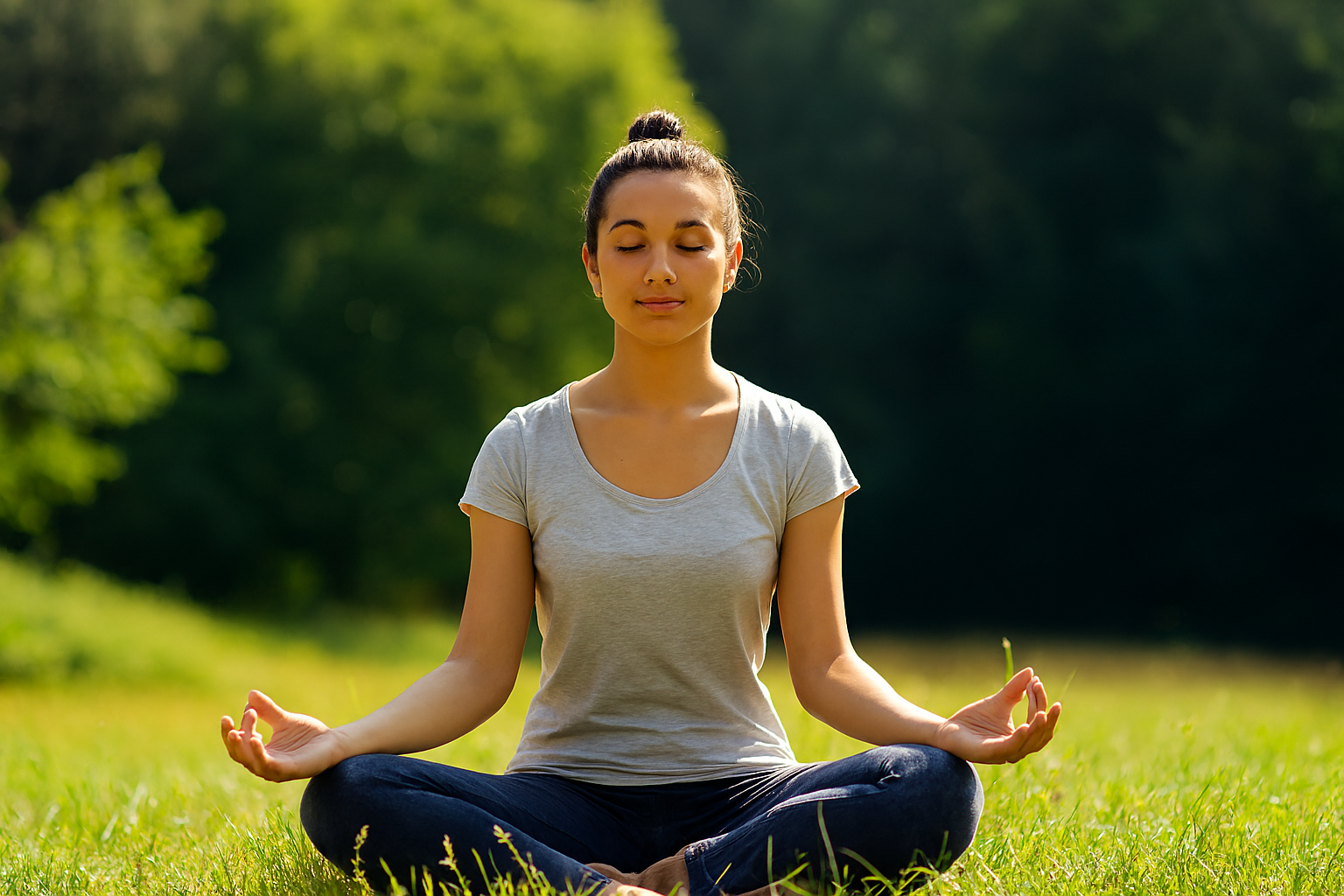
Mindfulness meditation is a proven technique for reducing stress and enhancing emotional well-being.
Stress has become a common part of modern life. Work pressure, financial responsibilities, health concerns, and personal challenges can all contribute to daily stress. While a small amount of stress can be motivating, long-term or unmanaged stress can negatively affect mental health, physical well-being, and overall quality of life.
The good news is that stress can be managed effectively. By using the right techniques and building healthy habits, it is possible to calm the mind, improve emotional balance, and maintain mental clarity. This article explores practical and effective stress management techniques that support a healthier mind.
Understanding Stress and Its Impact on Mental Health
Stress is the body’s natural response to challenging or demanding situations. When stress becomes constant, it can lead to emotional exhaustion, anxiety, poor concentration, and mood changes.
Common Signs of Mental Stress
- Constant worry or overthinking
- Irritability or mood swings
- Difficulty focusing
- Sleep problems
- Feeling overwhelmed or mentally drained
Recognising these signs early helps prevent stress from becoming long-term or overwhelming.
Why Managing Stress Is Important
Unmanaged stress affects both mental and physical health. It can contribute to headaches, digestive issues, high blood pressure, weakened immunity, anxiety, and depression.
Benefits of Stress Management
- Improved emotional stability
- Better focus and productivity
- Improved sleep quality
- Stronger coping skills
- Better overall mental well-being
Managing stress effectively supports a balanced and healthier lifestyle.
Mindfulness and Relaxation Techniques
Practising Mindfulness
Mindfulness involves staying present in the moment without judgment. It helps reduce overthinking and anxiety by focusing attention on what is happening now.
Simple mindfulness practices include:
- Paying attention to breathing
- Noticing sounds, sensations, and thoughts
- Eating or walking mindfully
Even 5–10 minutes of mindfulness daily can help calm the mind.
Deep Breathing Exercises
Deep breathing is one of the quickest ways to reduce stress. Slow, deep breaths signal the body to relax.
A simple breathing technique:
- Inhale slowly through the nose for 4 seconds
- Hold for 4 seconds
- Exhale slowly through the mouth for 6 seconds
Repeating this for a few minutes can lower stress levels instantly.
Physical Activity as a Stress Management Tool
Regular Exercise
Physical activity releases endorphins, which are natural mood boosters. Exercise also reduces stress hormones like cortisol.
Effective stress-reducing exercises include:
- Walking
- Jogging
- Yoga
- Cycling
- Swimming
You don’t need intense workouts—consistent movement matters more.
Stretching and Gentle Movement
Stretching helps release physical tension stored in the body. Yoga and gentle stretching also promote relaxation and mental clarity.
Healthy Lifestyle Habits That Reduce Stress
Maintaining a Balanced Diet
What you eat affects how your body handles stress. A balanced diet helps stabilise mood and energy levels.
Stress-supportive foods include:
- Fruits and vegetables
- Whole grains
- Lean proteins
- Healthy fats
- Plenty of water
Limiting caffeine, sugar, and processed foods can also help reduce anxiety.
Prioritising Quality Sleep
Lack of sleep increases stress and emotional sensitivity. Aim for 7–9 hours of quality sleep each night.
Tips for better sleep:
- Maintain a consistent sleep schedule
- Avoid screens before bedtime
- Create a calm bedtime routine
- Keep the sleeping environment quiet and comfortable
Time Management and Daily Organisation
Setting Realistic Priorities
Poor time management can increase stress. Learning to prioritise tasks reduces feelings of being overwhelmed.
Helpful strategies include:
- Writing daily to-do lists
- Breaking large tasks into smaller steps
- Focusing on one task at a time
Learning to Say No
Overcommitting leads to burnout. Setting healthy boundaries protects mental energy and reduces unnecessary stress.
Emotional and Social Stress Management Techniques
Talking About Your Feelings
Sharing thoughts and concerns with trusted friends or family members helps release emotional pressure. Talking openly reduces feelings of isolation.
Building a Support System
Strong social connections provide emotional strength and comfort during stressful times. Support systems can include friends, family, colleagues, or support groups.
Practising Self-Compassion
Being kind to yourself during difficult moments is essential. Avoid harsh self-criticism and recognise that stress is a normal human experience.
Read More – AI Tools That Will Change Business in the Next 5 Years
Mental Techniques to Reframe Stress
Positive Thinking and Reframing
Negative thinking patterns can increase stress. Learning to reframe challenges helps create a healthier mindset.
Examples include:
- Viewing challenges as learning opportunities
- Focusing on solutions rather than problems
- Practising gratitude daily
Journaling for Mental Clarity
Writing thoughts down helps process emotions and identify stress triggers. Journaling can improve emotional awareness and reduce mental clutter.
Relaxation and Recovery Activities
Engaging in Hobbies
Hobbies provide mental breaks from stress. Activities such as reading, painting, music, gardening, or cooking promote relaxation and enjoyment.
Spending Time in Nature
Nature has a calming effect on the mind. Walking in parks, beaches, or green spaces helps reduce anxiety and mental fatigue.
When to Seek Professional Support
Sometimes stress becomes overwhelming despite self-care efforts. Seeking professional help is a healthy and responsible step.
Signs you may need support:
- Persistent anxiety or sadness
- Difficulty coping with daily life
- Sleep disturbances lasting weeks
- Emotional exhaustion
Mental health professionals can provide therapy, coping strategies, and guidance tailored to individual needs.
Conclusion
Stress is a natural part of life, but it doesn’t have to control your mental well-being. By practising effective stress management techniques such as mindfulness, physical activity, healthy habits, emotional support, and positive thinking, you can create a calmer and healthier mind.
Managing stress is not about eliminating challenges—it’s about learning how to respond to them in healthier ways. With consistent effort and self-care, stress can be managed successfully, leading to improved mental clarity, emotional balance, and overall well-being.