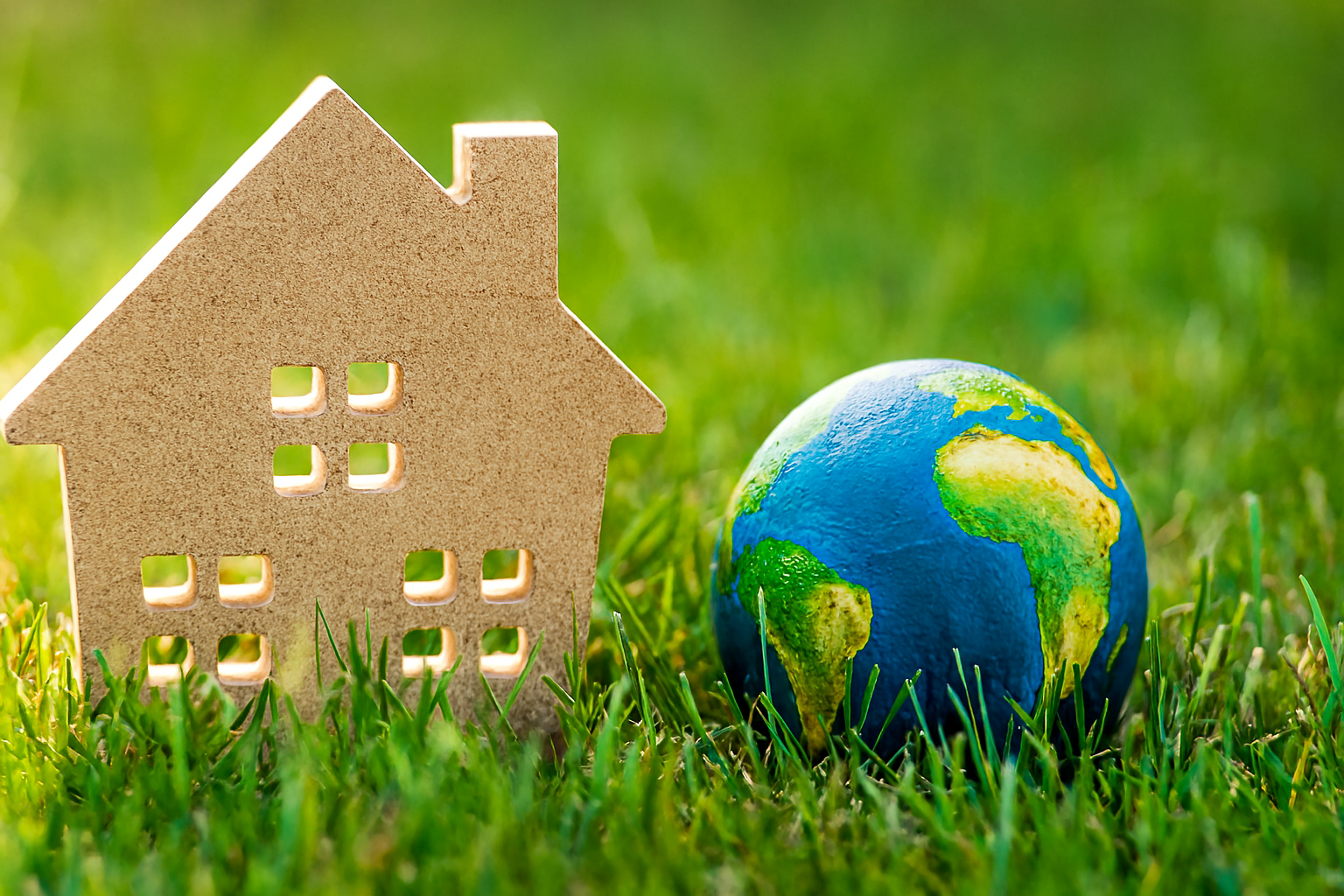
A cardboard house and miniature Earth nestled in lush grass — a visual metaphor for eco-conscious living and global responsibility.
Sustainable living is more than a trend—it is a thoughtful way of life that focuses on reducing environmental impact while improving overall wellbeing. By making mindful choices in daily habits, individuals and families can conserve natural resources, reduce waste, and support a healthier planet. This practical guide explains what sustainable living means and how you can easily incorporate it into your everyday routine.
What Is Sustainable Living?
Sustainable living refers to a lifestyle that aims to reduce the use of Earth’s natural resources and minimize harm to the environment. It encourages balance—meeting present needs without compromising the ability of future generations to meet theirs. This approach includes conscious decisions about energy use, food consumption, transportation, and waste management.
At its core, sustainable living is about awareness and responsibility. Small, consistent actions can collectively create a significant positive impact.
Why Sustainable Living Matters
The growing challenges of climate change, pollution, and resource depletion highlight the importance of sustainable living. Excessive consumption and waste have placed immense pressure on natural ecosystems. Adopting sustainable practices helps:
- Reduce carbon emissions
- Conserve water and energy
- Minimize waste in landfills
- Protect biodiversity
- Promote healthier living environments
Living sustainably also supports long-term economic and social stability by encouraging responsible use of resources.
Simple Steps to Start Sustainable Living
Transitioning to a sustainable lifestyle does not require drastic changes. Starting with small, manageable steps makes the process easier and more sustainable in the long run.
Be Mindful of Energy Use
Reducing energy consumption is one of the most effective ways to live sustainably. Simple habits such as turning off lights when not in use, unplugging electronic devices, and using energy-efficient appliances can make a noticeable difference. Making use of natural light and ventilation also reduces dependency on artificial energy sources.
Sustainable Living at Home
Your home is the best place to begin your sustainability journey. Conscious choices within your living space can significantly reduce environmental impact.
Reduce, Reuse, and Recycle
The principle of reduce, reuse, and recycle forms the foundation of sustainable living. Reducing unnecessary purchases helps limit waste. Reusing items like containers, bags, and household materials extends their life cycle. Recycling responsibly ensures materials are processed and reused rather than discarded.
Conserve Water
Water conservation is essential for sustainable living. Simple actions such as fixing leaks, using water-efficient fixtures, and being mindful of water usage during daily activities can save significant amounts of water over time.
Sustainable Food Choices
Food consumption plays a major role in sustainability. Making thoughtful choices about what and how you eat can benefit both your health and the environment.
Choose Whole and Seasonal Foods
Opting for whole, minimally processed foods helps reduce packaging waste and energy consumption associated with processing. Seasonal foods often require fewer resources to grow and transport, making them a more sustainable choice.
Reduce Food Waste
Planning meals, storing food properly, and using leftovers creatively can drastically reduce food waste. Composting organic waste is another excellent way to return nutrients to the soil instead of sending waste to landfills.
Eco-Friendly Transportation Habits
Transportation is a significant contributor to environmental pollution. Adopting sustainable transportation habits can lower emissions and improve air quality.
Walking, cycling, and using public transportation are simple ways to reduce environmental impact. When possible, combining errands into a single trip and maintaining vehicles properly can also improve fuel efficiency.
Conscious Consumption and Shopping
Being a conscious consumer means considering the environmental and social impact of purchases.
Buy Less, Choose Better
Prioritize quality over quantity. Investing in durable products reduces the need for frequent replacements and minimizes waste. Supporting brands that focus on ethical sourcing and sustainable production encourages responsible business practices.
Avoid Single-Use Products
Single-use items contribute heavily to pollution. Choosing reusable alternatives for bags, bottles, and containers helps cut down on waste and supports a sustainable lifestyle.
Read more – Top Smartphone Features You Should Look for Before Buying
Sustainable Living and Personal Wellbeing
Sustainable living is not only beneficial for the environment but also for personal wellbeing. A clutter-free, mindful lifestyle reduces stress and promotes a sense of balance. Eating healthier foods, spending time outdoors, and creating a cleaner living space can improve both physical and mental health.
Living consciously encourages individuals to slow down, appreciate resources, and make thoughtful decisions that align with personal values.
Creating Long-Term Sustainable Habits
The key to sustainable living is consistency. Rather than aiming for perfection, focus on progress. Set realistic goals, celebrate small achievements, and gradually introduce new sustainable habits into your routine.
Educating yourself and staying informed about sustainability topics helps reinforce conscious decision-making. Sharing knowledge and encouraging others to adopt sustainable practices can amplify positive impact.
The Future of Sustainable Living
Sustainable living is essential for building a resilient future. As awareness grows, individuals play a vital role in shaping a more sustainable world through daily choices. Innovation, education, and collective responsibility will continue to drive positive change.
By embracing sustainable living, you contribute to environmental preservation while creating a healthier and more meaningful way of life.
Conclusion
Sustainable living is a practical and achievable approach to conscious living. By making mindful choices in energy use, food consumption, waste reduction, and daily habits, anyone can reduce their environmental footprint. Small steps, when practiced consistently, lead to lasting positive impact.
Choosing sustainable living is not about sacrifice—it is about living responsibly, intentionally, and in harmony with the planet.