
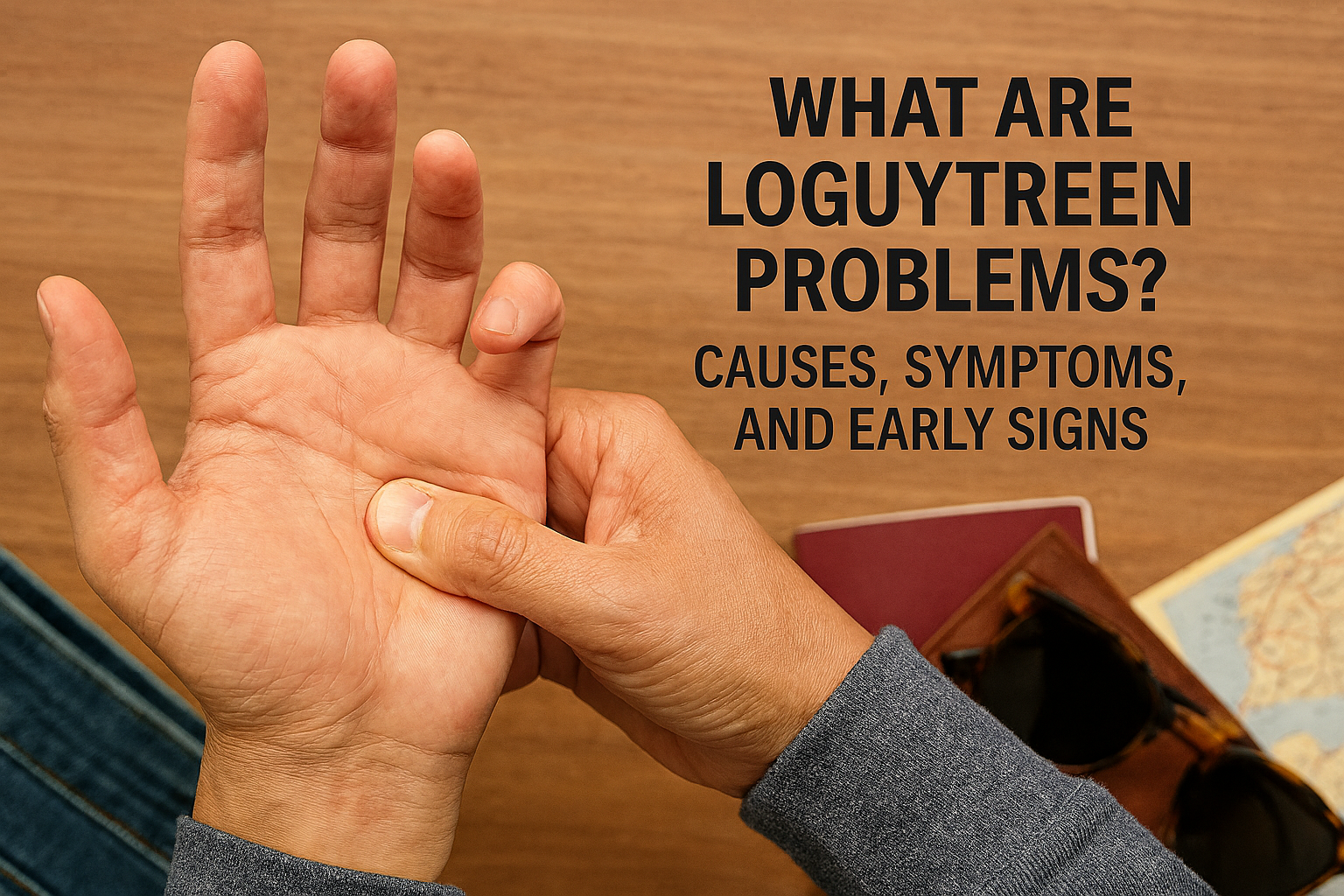
Dupuytren’s contracture causes fingers to curl inward due to thickened tissue — learn the causes, symptoms, and early warning signs.
Loguytren problems, commonly known in medical terms as Dupuytren’s contracture, are a hand condition that affects the connective tissue beneath the skin of the palm and fingers. Over time, this condition can cause one or more fingers to bend inward toward the palm, making it difficult to straighten the hand fully. Although it is not usually painful, Loguytren problems can interfere with daily activities and hand function if left untreated.
This article explains what Loguytren problems are, their causes, common symptoms, early warning signs, and why early awareness is important.
Understanding Loguytren Problems
Loguytren problems occur when the fascia, a layer of connective tissue under the skin of the palm, becomes thickened and tight. Normally, this tissue helps stabilize the hand and fingers. However, in people with Loguytren problems, the fascia gradually shortens and forms firm cords or lumps.
As these cords tighten, they pull the fingers—most commonly the ring finger and little finger—toward the palm. In advanced cases, straightening the fingers becomes difficult or even impossible.
This condition usually develops slowly over several years and often affects both hands, though one hand may be more severe than the other.
What Causes Loguytren Problems?
The exact cause of Loguytren problems is still not fully understood. However, medical research suggests that a combination of genetic, biological, and lifestyle factors contributes to the condition.
1. Genetic Factors
Genetics play a major role in the development of Loguytren problems. People with a family history of the condition are more likely to develop it themselves. It is especially common among individuals of Northern European descent.
2. Age and Gender
Loguytren problems are more common in people over the age of 40, and the risk increases with age. Men are more likely to develop the condition than women, and symptoms in men often progress more quickly.
3. Medical Conditions
Certain health conditions are linked to a higher risk of developing Loguytren problems, including:
- Diabetes
- Epilepsy
- Liver disease
- Thyroid disorders
While these conditions do not directly cause Loguytren problems, they may increase susceptibility.
4. Lifestyle Factors
Some lifestyle habits are associated with an increased risk, such as:
- Smoking
- Excessive alcohol consumption
These habits may affect blood flow and connective tissue health, contributing to disease progression.
Common Symptoms of Loguytren Problems
Loguytren problems usually begin subtly and worsen gradually. The symptoms may vary from person to person, but they generally follow a predictable pattern.
1. Small Lumps in the Palm
The earliest symptom is often a small, firm lump or nodule in the palm. These lumps may feel tender initially but usually become painless over time.
2. Thickened Skin
The skin over the palm may appear tight, puckered, or dimpled. This is a sign that the underlying tissue is changing.
3. Cord Formation
As the condition progresses, thick cords may form under the skin. These cords extend from the palm toward one or more fingers.
4. Finger Bending
Eventually, the affected fingers may begin to bend inward toward the palm. The ring finger and little finger are most commonly involved, but other fingers can be affected in some cases.
Early Signs You Should Not Ignore
Recognizing the early signs of Loguytren problems can help with timely diagnosis and management.
1. Difficulty Laying the Hand Flat
One of the earliest functional signs is trouble placing the hand flat on a table or surface. This is often called the tabletop test.
2. Tightness in the Palm
A feeling of tightness or stiffness in the palm, even without visible finger bending, can be an early warning sign.
3. Skin Changes Without Pain
Many people ignore the condition because it is usually painless. However, visible skin changes and nodules should not be overlooked.
4. Gradual Loss of Finger Extension
If you notice that a finger does not straighten as easily as before, especially over several months, it may indicate early Loguytren problems.
How Loguytren Problems Affect Daily Life
In the early stages, Loguytren problems may not cause significant limitations. However, as the condition progresses, it can affect everyday tasks such as:
- Shaking hands
- Wearing gloves
- Holding objects
- Typing or writing
- Washing hands or placing them in pockets
Severe cases can limit hand function and reduce independence, especially if both hands are affected.
Is Loguytren Problems a Painful Condition?
In most cases, Loguytren problems are not painful. Some people may experience mild discomfort or tenderness during the early stages, but pain is not a dominant symptom. The main issue is reduced mobility and flexibility of the fingers.
When to See a Doctor
It is advisable to consult a healthcare professional if you notice:
- Persistent lumps in your palm
- Finger stiffness that worsens over time
- Difficulty straightening one or more fingers
- Reduced hand function in daily activities
Early evaluation helps determine the stage of the condition and allows for better planning of management options.
Read more – How People Are Using GreatBasinExp57 Online: A Deep Dive
Importance of Early Awareness
Although Loguytren problems cannot always be prevented, early awareness can make a significant difference. Identifying the condition in its early stages allows individuals to monitor progression, protect hand function, and explore non-invasive management options when appropriate.
Conclusion
Loguytren problems are a progressive hand condition that develops slowly and often without pain. Characterized by thickening of connective tissue in the palm, it can eventually lead to finger bending and reduced hand mobility. While the exact cause remains unclear, genetics, age, medical conditions, and lifestyle factors all play important roles.
Understanding the causes, symptoms, and early signs of Loguytren problems is essential for early recognition and timely care. If you notice changes in your palm or finger movement, seeking medical advice early can help maintain hand function and quality of life.








1 thought on “What Are Loguytren Problems? Causes, Symptoms, and Early Signs”
Comments are closed.