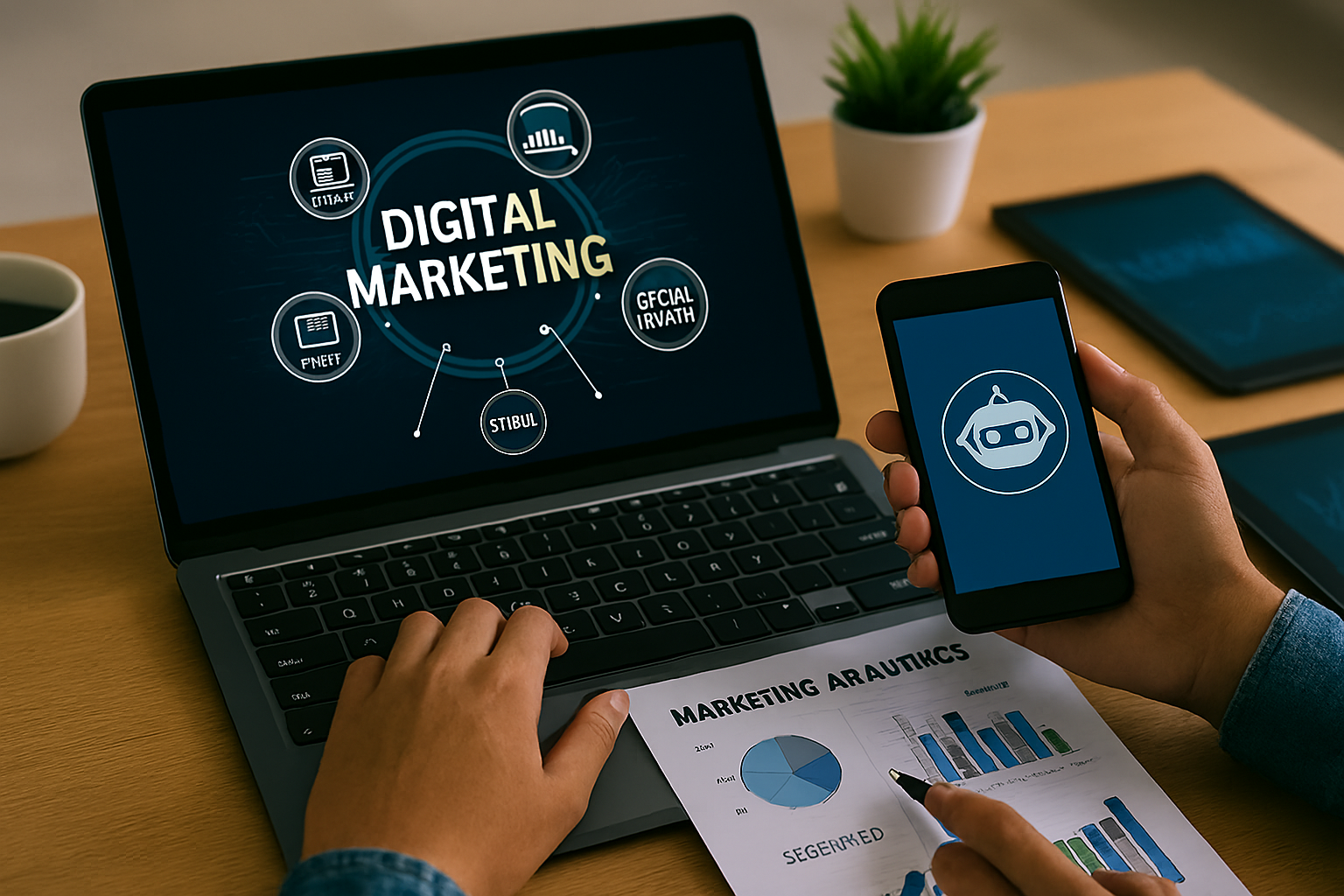
Modern businesses thrive on digital marketing—leveraging data, devices, and strategy to drive growth and engagement.
In today’s fast-paced and technology-driven world, the way businesses connect with customers has changed dramatically. Traditional marketing methods such as print ads, billboards, and cold calls are no longer enough on their own. Consumers now spend a significant amount of time online, searching for information, comparing products, and engaging with brands through digital platforms. This shift has made digital marketing an essential part of modern business success.
Digital marketing allows businesses of all sizes to reach their target audience, build brand awareness, and drive growth in a cost-effective and measurable way. Understanding why digital marketing is important helps businesses stay competitive and relevant in an increasingly digital marketplace.
What Is Digital Marketing?
Digital marketing refers to all marketing efforts that use online channels and digital technologies to promote products or services. This includes search engines, websites, social media platforms, email, mobile apps, and online advertising. Unlike traditional marketing, digital marketing enables businesses to communicate directly with their audience and tailor messages based on user behaviour, preferences, and intent.
Common digital marketing channels include search engine optimisation (SEO), content marketing, social media marketing, email marketing, pay-per-click advertising (PPC), and analytics-driven strategies.
Increased Online Visibility and Brand Awareness
One of the primary reasons digital marketing is important is its ability to improve online visibility. Modern consumers rely heavily on search engines and social media when researching products or services. If a business does not have a strong online presence, it risks being overlooked by potential customers.
Digital marketing helps businesses appear where customers are actively searching. Through SEO, content creation, and social media engagement, brands can increase awareness and establish a consistent digital footprint. This visibility builds familiarity and trust, which are essential for long-term customer relationships.
Reaching the Right Audience at the Right Time
Digital marketing allows businesses to target specific audiences more accurately than traditional marketing methods. With tools such as demographic targeting, location-based marketing, and interest-based advertising, businesses can reach users who are most likely to be interested in their offerings.
This targeted approach ensures marketing efforts are more relevant and effective. Instead of broadcasting a message to a broad audience, digital marketing delivers personalised content at the right time, improving engagement and conversion rates.
Cost-Effective Marketing Solutions
Compared to traditional advertising, digital marketing is often more affordable and provides a higher return on investment. Small and medium-sized businesses can compete with larger brands without needing large marketing budgets. Channels such as social media, email marketing, and content marketing offer low-cost ways to connect with audiences and build brand authority.
Digital marketing also allows businesses to control spending more effectively. Campaigns can be adjusted, paused, or optimised in real time, ensuring budgets are used efficiently.
Measurable Results and Performance Tracking
One of the biggest advantages of digital marketing is the ability to measure performance. Tools such as analytics platforms provide detailed insights into how campaigns are performing, including website traffic, user behaviour, conversions, and engagement levels.
This data-driven approach helps businesses understand what works and what does not. By analysing performance metrics, businesses can refine strategies, improve results, and make informed marketing decisions. This level of transparency is rarely possible with traditional marketing methods.
Building Strong Customer Relationships
Digital marketing supports two-way communication between businesses and customers. Through social media, email campaigns, and online reviews, customers can interact directly with brands, ask questions, and provide feedback. This engagement builds trust and fosters long-term relationships.
By sharing valuable content and responding to customer needs, businesses can position themselves as reliable and customer-focused. Strong relationships lead to repeat business, positive reviews, and brand loyalty.
Adapting to Changing Consumer Behaviour
Consumer behaviour has shifted significantly in recent years, with more people using mobile devices and online platforms to make purchasing decisions. Digital marketing helps businesses adapt to these changes by meeting customers where they are.
Mobile-friendly websites, local search optimisation, and personalised digital experiences ensure businesses remain accessible and relevant. Staying adaptable is crucial for maintaining competitiveness in a constantly evolving digital environment.
Supporting Business Growth and Scalability
Digital marketing is highly scalable, making it suitable for businesses at every stage of growth. As a business expands, digital strategies can be adjusted to reach new markets, target different customer segments, or promote additional products and services.
This flexibility allows businesses to grow without overhauling their entire marketing approach. Digital marketing supports sustainable growth by aligning strategies with business goals and market demand.
Read more – What Is Budget Travel ? Meaning, Benefits, And Smart Planning Tips
Enhancing Competitive Advantage
In competitive industries, digital marketing provides an opportunity to stand out. Businesses that invest in strong online strategies can outperform competitors who rely solely on traditional marketing. By leveraging SEO, content, and data insights, brands can differentiate themselves and highlight their unique value.
A strong digital presence also signals credibility and professionalism, which influences customer trust and decision-making.
Conclusion
Digital marketing is no longer optional for modern businesses; it is a necessity. It improves visibility, reaches targeted audiences, delivers measurable results, and supports long-term growth. By embracing digital marketing strategies, businesses can build stronger customer relationships, adapt to changing consumer behaviour, and remain competitive in an increasingly digital world.
For modern businesses, investing in digital marketing is an investment in sustainability, relevance, and future success.